
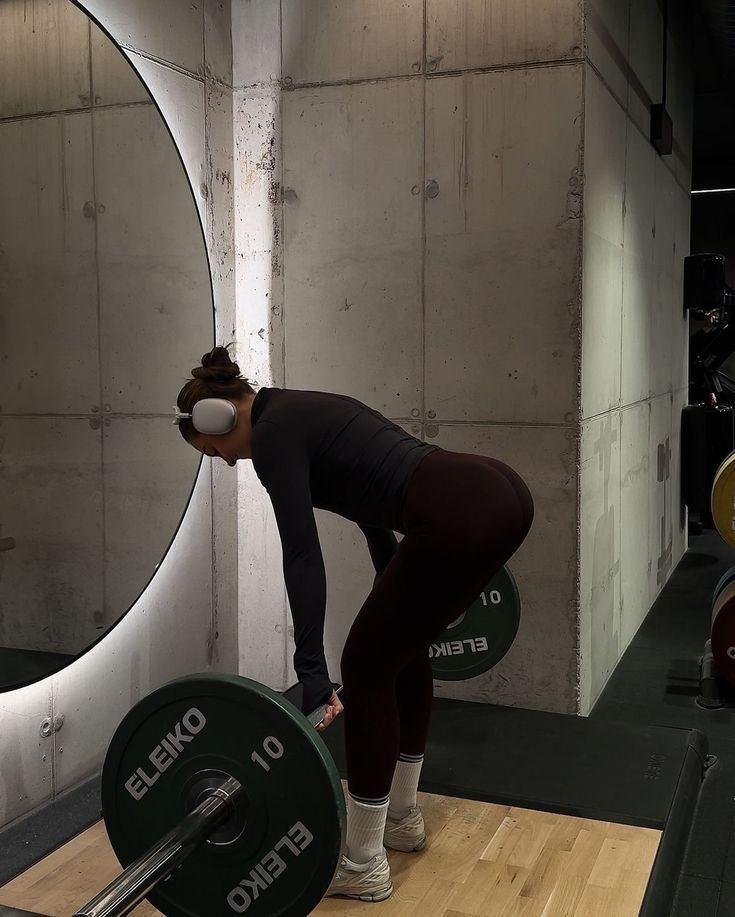
Compound vs Accessory Lifts: What to Prioritize

Compound lifts are multi-joint exercises that train several muscle groups at once, while accessory lifts are supporting exercises that add targeted volume and fix weak links. This is for lifters who want consistent training and progression without overcomplicating workouts, especially if they are currently piecing sessions together from notebooks, Notes, or spreadsheets. When you prioritize compounds and use accessories strategically, your plan becomes easier to repeat and progressive overload becomes clearer over time.
Top CTA (soft): If your workouts feel like a random list of exercises, try labeling each movement as compound or accessory for one week. The structure becomes obvious fast.
Internal links:
What it is and why it works
The difference is simple:
- Compound lift: multiple joints move, many muscles contribute, performance is easy to measure and progress.
Examples: squat, deadlift, bench press, overhead press, row, pull-up. - Accessory lift: supports the main work by adding targeted volume, improving balance, and building muscle where you need it.
Examples: lateral raises, leg curls, triceps pressdowns, curls, calf raises, rear delt fly.
This works because good training needs both:
- Compounds give you the main stimulus and clear progression targets.
- Accessories give you enough volume and balance to keep progressing without adding more heavy compound work than you can recover from.
Internal links:
Best for / Not ideal for
Best for
- Lifters who want a simple way to build workouts that actually progress
- Late beginners learning to prioritize the lifts that matter most
- Intermediate lifters who want to add volume without wrecking recovery
- Anyone trying to fix weak points without rewriting their whole program
Not ideal for
- People who avoid compounds entirely and expect accessories to drive strength
- Lifters who only do compounds and ignore joint-friendly volume
- Anyone changing exercises weekly and calling everything “accessory”
- People who add so many accessories that sessions become unfinishable
Internal links:
How it works in practice
A practical rule for exercise selection
Most effective workouts follow this pattern:
- 1 primary compound that you track and progress
- 1 secondary compound that adds volume or a complementary pattern
- 2-4 accessories that target muscles and weak links
How to choose compounds
Pick compounds that match the main patterns:
- Squat pattern (squat, leg press, front squat)
- Hinge pattern (deadlift, RDL)
- Horizontal press (bench)
- Vertical press (overhead press)
- Horizontal pull (row)
- Vertical pull (pull-up, pulldown)
Compounds are where you should spend your best energy. They are also where fatigue builds fastest, so you do not want too many heavy compound slots in one session.
How to choose accessories
Accessories should do one of these jobs:
- Add hypertrophy volume for a muscle that supports compounds (triceps for pressing, hamstrings for squatting)
- Balance movement patterns (rear delts and upper back for shoulder health)
- Train a muscle that compounds miss (calves, lateral delts, biceps)
- Reduce joint stress while still training hard (machines, cables, dumbbells)
A simple test:
- If you can push it hard with less technique risk and recover faster, it is usually a good accessory.
Example workout breakdown
Here is an example lower body day showing how compounds and accessories fit together.
Type | Exercise | Sets x reps | Role in the workout |
|---|---|---|---|
Primary compound | Back Squat | 4 x 4-6 | Main progression driver |
Secondary compound | RDL | 3 x 6-10 | Hinge volume, posterior chain strength |
Accessory | Leg Press | 2-4 x 10-15 | Quad volume with lower technique cost |
Accessory | Hamstring Curl | 2-4 x 8-15 | Direct hamstring work |
Accessory | Calf Raise | 2-5 x 8-15 | Lower leg volume |
Accessory (optional) | Core | 2-4 sets | Bracing support |
If you want this to feel repeatable, log your compounds and accessories in Nudges Me and follow a plan that keeps your priorities consistent.
Internal links:
- Squat guide
- Deadlift guide
- How to log sets and reps
How to progress safely
- Progress compounds first.
Use progressive overload on 1-2 compound lifts per session. If your squat and bench are moving, the program is working. - Use rep ranges to manage fatigue.
Example: squat 4-6 reps, RDL 6-10 reps, accessories 10-15 or 12-20. This supports progression without forcing max effort every week. - Keep accessories hard but recoverable.
Accessories should usually stay around 1-3 reps in reserve. You want stimulus without wrecking the next training day. - Add volume strategically, not randomly.
If progression stalls, add a set to an accessory that supports the stuck lift before you add another heavy compound. - Track performance over time.
Look for trends across weeks: - Compounds: load or reps trending up at similar effort
- Accessories: more reps, cleaner form, or small load increases
Internal links:
Common mistakes
Mistake | Why it’s a problem | Better approach |
|---|---|---|
Treating accessories like main lifts | Too much fatigue for too little return | Keep compounds as the main progression drivers |
Only doing compounds | Recovery fails, joint stress rises, weak links stay weak | Use accessories to add volume and balance |
Doing too many compound lifts per session | Technique breaks down and progression stalls | Limit to 1 primary and 1 secondary compound |
Choosing accessories that overlap too much | You add fatigue without adding useful stimulus | Pick accessories that fill a clear gap |
Skipping pulling accessories on press-heavy days | Shoulder balance suffers | Add rows, rear delts, and upper back work |
Not tracking accessories | You miss easy progression opportunities | Log accessory loads and reps and progress them too |
Internal links:
How to track this with Nudges Me
Compounds and accessories only work together when you can repeat the structure and see what changed.
With Nudges Me, you can:
- Log workouts with exercises, sets, reps, and load
- Follow workout plans that keep your compound priorities consistent
- See progression over time by comparing compound performance and accessory progress across weeks
The goal is simple: compounds drive progress, accessories support it, and tracking keeps it honest.
FAQs
- What is a compound lift?
A compound lift is a multi-joint exercise that trains multiple muscle groups at once, like squat, bench, or row. - What is an accessory lift?
An accessory lift is a supporting exercise that adds targeted volume or addresses weak points, like curls, lateral raises, or leg curls. - Do I need accessories if I do the big lifts?
Most lifters benefit from accessories because they add volume with less fatigue and help address weak links. - How many accessory exercises should I do per workout?
Many lifters do well with 2-4 accessory movements after the main compounds. - Should I track accessory lifts too?
Yes. Progression on accessories is often the easiest way to add muscle and support your compounds over time.
If your compound lifts and accessories are scattered across notebooks, Notes, or spreadsheets, it is hard to keep priorities consistent and see progression. Stop guessing - follow a plan in Nudges Me, log every workout, and track your progression over time in one clean place.
About the author
Trung Do
Related Articles
Continue reading with these related posts
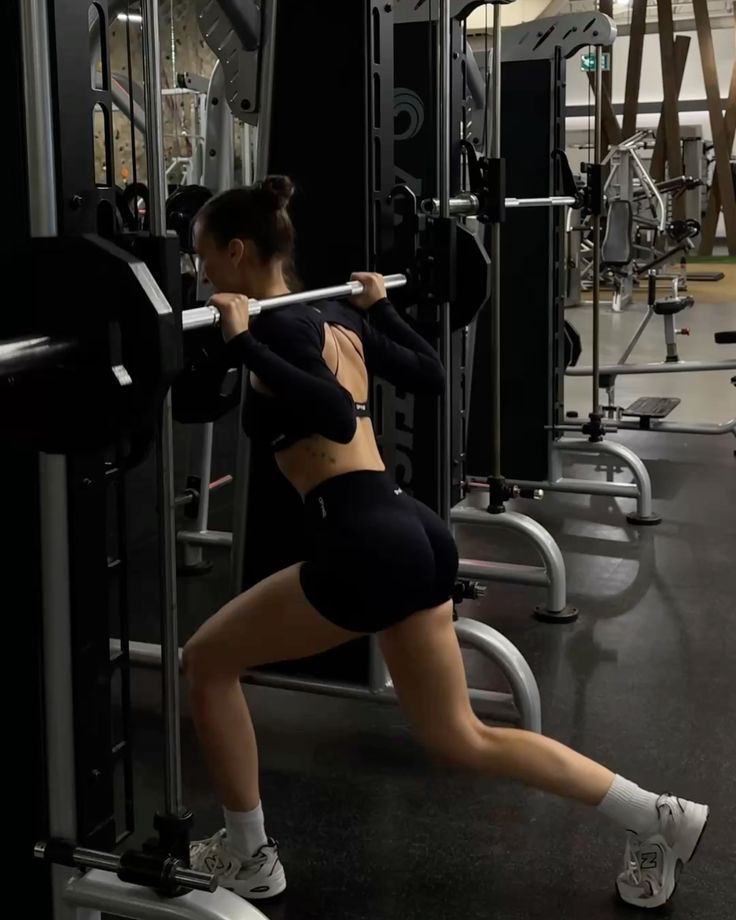
How to structure a workout
Learn how to structure a workout with warm-ups, main lifts, accessories, and progression rules so you can train consistently and improve.
RPE/RIR for consistent training
Learn the RPE scale and RIR for lifting. Use RPE to stay consistent, manage effort, and progress week to week without guessing.